
In today’s fast-paced industrial landscape, downtime means lost profits. Across Australia, manufacturing, utilities, and power generation plants are under pressure to maintain reliability while keeping operational costs low. This is where asset condition monitoring becomes a game-changer — helping industrial facilities predict issues before they occur, reduce maintenance costs, and improve energy efficiency.
What Is Asset Condition Monitoring and Why It Matters for Industrial Plants
Asset condition monitoring involves continuously tracking the performance and health of electrical and mechanical assets such as transformers, switchgear, motors, and circuit systems. By collecting real-time data through sensors and portable analysers, plants can detect faults early and schedule maintenance proactively.
A leading power quality consulting company like CHK Power Quality helps Australian industries integrate advanced asset condition monitoring systems that prevent unexpected failures and optimise asset performance. These solutions combine analytics, power quality data, and condition monitoring to ensure seamless operation across the entire electrical network.
How Asset Condition Monitoring Reduces Maintenance Costs
1. Early Fault Detection and Predictive Maintenance
Traditional maintenance follows a fixed schedule, often replacing components that are still in good condition. With asset condition monitoring, industrial plants can detect anomalies such as voltage fluctuations, temperature rises, or vibration changes before they lead to costly breakdowns.
This predictive approach allows maintenance teams to focus only on assets that require attention, cutting labour and spare parts costs while improving uptime.
2. Minimising Downtime and Production Losses
In industries like mining, manufacturing, and utilities, even a few hours of downtime can translate into massive financial losses. Through asset condition monitoring, systems continuously analyse power parameters and asset performance.
By combining insights from class A PQ monitoring with equipment data, plants can anticipate disruptions and act before production halts. This ensures consistent performance and higher operational efficiency.
3. Optimising Energy Efficiency
An underperforming asset often consumes more power than necessary. Through asset condition monitoring, inefficiencies are easily identified, enabling targeted energy-saving measures. Integrating an energy monitor logger with your monitoring system helps track load performance and power usage patterns, which can reduce both electricity bills and carbon footprint.
4. Extending Equipment Lifespan
Assets that operate under optimal conditions experience less wear and tear. Continuous monitoring helps maintain ideal voltage, temperature, and load levels, extending the life of critical equipment. As a reliable power network company in Australia, CHK Power Quality ensures that your infrastructure performs efficiently and sustainably for years.
5. Data-Driven Maintenance Planning
With detailed data from electrical network monitoring, asset managers gain full visibility into equipment condition. Reports from portable analyser and monitoring systems allow smarter maintenance scheduling, reducing emergency repairs and improving planning accuracy.
Role of a Power Quality Consulting Company in Asset Condition Monitoring

Implementing an effective asset condition monitoring system requires technical expertise. A specialised power quality solutions provider like CHK Power Quality offers a holistic approach — integrating data acquisition, power quality analysis, and asset performance tracking under one platform.
Their experience in class A PQ monitoring and power network analysis ensures that every aspect of your electrical infrastructure is protected, reliable, and efficient. Partnering with an expert consulting firm also means access to professional diagnostics, compliance with Australian standards, and support for sustainable operations.
How Australian Industries Are Adopting Asset Condition Monitoring
Across Australia, industries are rapidly embracing asset condition monitoring to stay competitive and compliant.
Utilities use it to monitor transformers and distribution networks.
Manufacturing plants track motor efficiency and equipment vibration.
Mining companies rely on it for predictive maintenance to avoid costly breakdowns.
These applications demonstrate how asset condition monitoring helps businesses achieve operational excellence and long-term reliability.
Integrating Power Quality and Asset Condition Monitoring for Maximum Results
While asset condition monitoring focuses on equipment health, power quality monitoring ensures that your electrical supply remains stable. By integrating both, companies gain full control over system performance.
CHK Power Quality’s advanced systems combine these capabilities, enabling users to identify not just asset-level faults but also grid-level disturbances. This dual monitoring approach is essential for any electrical network monitoring firm looking to deliver superior reliability.
Choosing the Right Asset Condition Monitoring Solution

When selecting an asset condition monitoring solution for your plant, consider these factors:
Compatibility with existing power systems and analysers
Accuracy of data logging and reporting tools
Integration with energy monitor logger and class A PQ monitoring equipment
Local support and service availability from a power quality consulting company
CHK Power Quality provides tailored solutions that meet these needs — from system design and installation to ongoing analytics and maintenance support.
Talk to CHK Power Quality Australia’s Trusted Power Quality Solutions Provider
If you’re looking to reduce maintenance costs and enhance operational reliability, CHK Power Quality can help you implement a complete asset condition monitoring system tailored to your industrial needs.
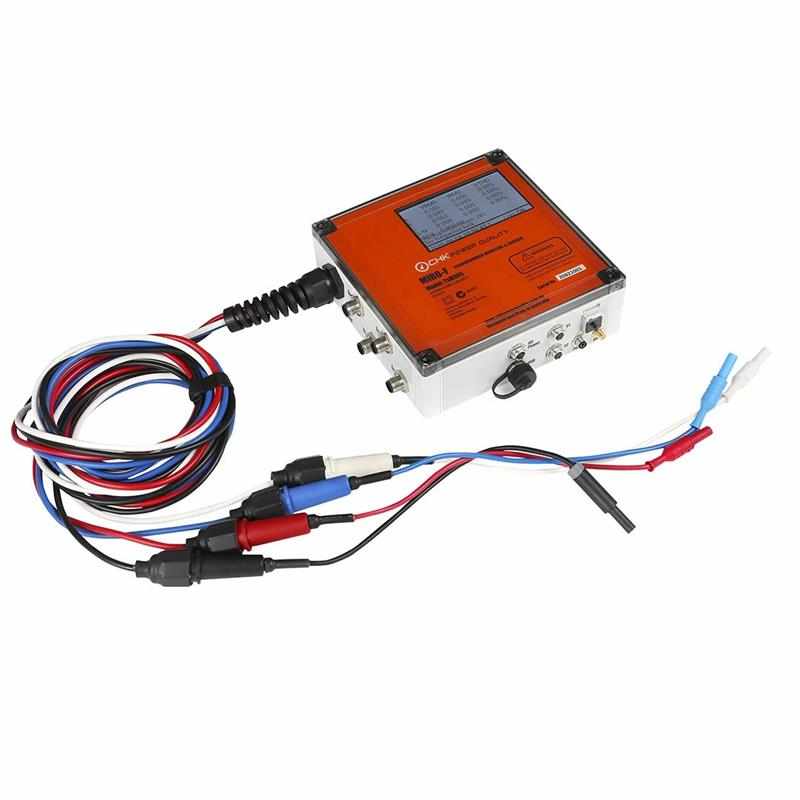
As a trusted reliable power network company in Australia, we specialise in class A PQ monitoring, energy monitor loggers, and advanced portable analysers that empower your maintenance teams with actionable insights.
Get in touch today to discover how CHK Power Quality can transform your maintenance strategy and ensure continuous power reliability across your facility.
FAQs on Asset Condition Monitoring
1. What is the main benefit of asset condition monitoring for industrial plants?
It enables early detection of equipment issues, reducing unplanned downtime and saving maintenance costs.
2. How does asset condition monitoring improve energy efficiency?
By tracking asset performance and load patterns, it identifies inefficiencies, helping reduce energy waste.
3. Can asset condition monitoring work with existing power quality systems?
Yes, it seamlessly integrates with power quality analysers and monitoring platforms for comprehensive insights.
4. Which industries benefit most from asset condition monitoring?
Manufacturing, utilities, mining, and energy sectors benefit the most due to their reliance on high-value assets.
5. How often should data from asset condition monitoring systems be reviewed?
Ideally, systems should provide real-time alerts, but weekly or monthly reports help in long-term maintenance planning.


Write a comment ...