
Key Takeaways
A point condition monitor enables early detection of electrical, mechanical, and environmental issues
Continuous points condition monitoring improves asset reliability and lifespan
Monitoring asset condition at defined points reduces unplanned downtime
Point machine monitoring benefits rail, substation, and industrial applications
Early insights support safer operations and better maintenance planning
Unplanned equipment failures remain one of the biggest challenges for utilities, substations, and industrial power networks. Assets often show early warning signs long before a breakdown occurs, but these signals are missed without continuous monitoring. This is where a point condition monitor plays a vital role.
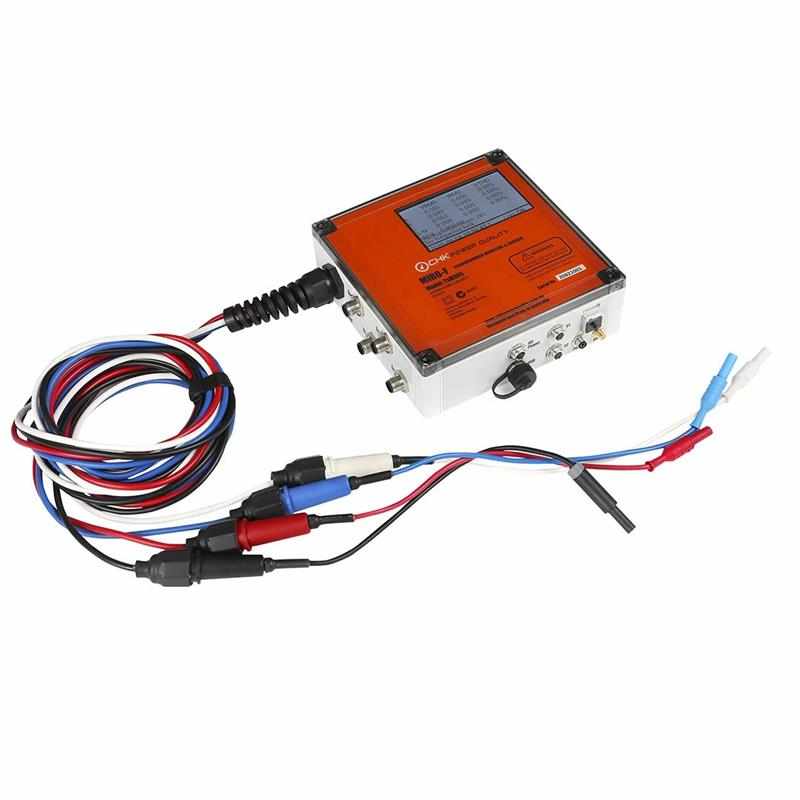
A point condition monitor focuses on specific measurement points across critical assets, allowing teams to detect abnormal behavior early, reduce downtime, and plan maintenance more effectively. By supporting condition monitoring and real-time asset insights, this technology helps operators move from reactive fixes to informed decision-making.
Below are the top seven equipment issues that can be detected early by a point condition monitor, helping organizations protect assets, extend equipment life, and improve operational reliability.
1. Loose Connections Identified by a Point Condition Monitor
Loose electrical or mechanical connections are one of the most common causes of equipment failure. Over time, vibration, thermal cycling, and load variations weaken terminals and joints.
A point condition monitor continuously tracks parameters such as temperature and current at specific condition monitoring points. Sudden heat rise or fluctuating readings highlight connection issues before they escalate into failures or safety hazards.
By enabling early intervention, point condition monitoring helps prevent arcing, energy loss, and unexpected shutdowns in substations and industrial panels.
2. Abnormal Temperature Rise Tracked Through a Point Condition Monitor
Temperature is a key indicator of asset health. Transformers, switchgear, motors, and point machines often exhibit overheating long before failure occurs.
Using a point condition monitor, operators can monitor asset condition at critical thermal points. Gradual or sudden temperature increases signal insulation breakdown, overload conditions, or cooling system inefficiencies.
Early alerts allow maintenance teams to address root causes instead of responding to emergency failures, improving reliability and reducing repair costs.
3. Power Supply Instability Detected by a Point Condition Monitor
Voltage dips, surges, and phase imbalance place significant stress on electrical equipment. If left unmonitored, these issues shorten asset life and affect downstream operations.
A point condition monitor captures continuous electrical data at selected condition monitoring points. This enables teams to identify power quality issues that impact sensitive equipment.
With accurate insights from point condition monitoring, utilities and facilities can stabilize supply conditions and protect high-value assets.
4. Mechanical Wear Recognized Early Using a Point Condition Monitor

Mechanical components such as breakers, relays, and point machines experience wear due to repeated operation. Early signs often go unnoticed until performance degrades.
Through point machine monitoring and vibration-related indicators, a point condition monitor highlights changes in operating patterns. Slower response times or inconsistent movement point to mechanical wear.
This approach supports proactive maintenance planning and avoids sudden equipment failure during critical operations.
5. Insulation Degradation Spotted via a Point Condition Monitor
Insulation breakdown is a silent but serious threat in electrical systems. Moisture ingress, aging materials, and thermal stress weaken insulation over time.
A point condition monitor helps detect early warning signs by tracking leakage currents, temperature trends, and abnormal electrical behavior at defined points.
By monitoring asset condition continuously, teams can schedule repairs or replacements before insulation failure causes outages or safety incidents.
6. Environmental Stress Detected by a Point Condition Monitor
Environmental factors such as humidity, dust, and ambient temperature directly impact equipment health. Assets installed in harsh or outdoor locations are especially vulnerable.
With points condition monitoring, a point condition monitor captures environmental data alongside operational parameters. This allows operators to understand how surroundings affect asset performance.
Early detection supports corrective actions like enclosure improvements or ventilation upgrades, extending asset life and improving reliability.
7. Operational Overload Identified by a Point Condition Monitor
Equipment operating beyond its rated capacity experiences accelerated wear and failure risk. Overload conditions may occur gradually, making them difficult to detect manually.
A point condition monitor tracks load patterns and operational thresholds at key condition monitoring points. Persistent overload trends trigger alerts, enabling load balancing or system redesign.
This insight helps protect equipment while maintaining stable and efficient operations.
How a Point Condition Monitor Supports Smarter Asset Decisions
A point condition monitor does more than detect faults. It provides reliable data that supports better planning, budgeting, and operational confidence. By focusing on specific monitoring asset condition points, teams gain clear visibility without the complexity of full system monitoring.
For utilities, transport networks, and industrial facilities, this targeted approach delivers high value with minimal disruption.
Improve Equipment Reliability with Point Condition Monitoring
Looking to improve asset reliability and reduce unexpected failures? Contact our monitoring specialists today to learn how a point condition monitor can support smarter maintenance, safer operations, and long-term asset performance.
Frequently Asked Questions About Point Condition Monitor Systems
What is a point condition monitor used for?
A point condition monitor is used to track specific parameters at selected points to detect early signs of equipment degradation and failure.
How does point condition monitoring improve maintenance planning?
Point condition monitoring provides real-time data, allowing maintenance teams to act before faults become critical, reducing emergency repairs.
Which assets benefit most from a point condition monitor?
Transformers, switchgear, breakers, motors, and point machines benefit significantly from monitoring asset condition at critical points.
Is a point condition monitor suitable for existing infrastructure?
Yes, most point condition monitor systems are designed for easy integration into existing assets without major modifications.
How does point machine monitoring enhance operational safety?
Point machine monitoring detects mechanical wear and performance issues early, reducing the risk of sudden operational failures.




Write a comment ...